
System Certification
System certification is a formal verification process demonstrating that an organization operates in accordance with internationally recognized management standards. It confirms that business processes are structured, controlled, and continuously improved to ensure quality, safety, efficiency, and regulatory compliance.
Through system certification, organizations strengthen customer confidence, enhance operational performance, mitigate risks, and improve overall organizational effectiveness in a sustainable manner.
Certifications such as ISO 9001 (Quality Management System), ISO 14001 (Environmental Management System), ISO 27001 (Information Security Management System), ISO 45001 (Occupational Health & Safety Management System), and other international standards provide a strong competitive advantage in both national and global markets.
System certification supports organizations in meeting legal requirements and industry expectations while fostering sustainable growth, transparency, and trust.
BRC (British Retail Consortium):
BRC Food, formally known as the BRCGS Global Standard for Food Safety, is an internationally recognized standard developed by the British Retail Consortium (BRC) to ensure the safety, quality, and legality of food products. It serves as a benchmark for best practices in food safety management and is widely adopted by food producers and suppliers worldwide.
Key Features of BRC Food:
Global Standard: The BRC Food standard is one of the first standards to be set as a benchmark by the Global Food Safety Initiative (GFSI), making it a leading certification for food safety recognized by major retailers and food service companies worldwide.
Comprehensive Coverage: The standard covers various aspects of food safety, including product safety, quality management systems, and operational controls. It addresses requirements related to HACCP (Hazard Analysis and Critical Control Points), traceability, allergen management, and staff training. Version 9 Updates: The current version (9th edition) offers enhanced requirements for food safety culture, food fraud prevention, and reduced inspection burdens through additional modules. This evolution ensures the standard remains relevant to contemporary industry challenges.
Benefits of BRC Food Certification:
1. Consumer Confidence: Certification demonstrates commitment to high food safety and quality standards, increasing consumer confidence in products.
2. Market Access: Many retailers require BRC certification as a prerequisite for doing business. Obtaining this certification can facilitate access to new markets and customers.
3. Risk Reduction: Organizations can reduce the likelihood of food safety incidents, recalls, and associated costs by implementing BRC standards.
4. Operational Efficiency: The structured approach encourages continuous improvement in processes, leading to improved operational efficiency and reduced waste.
5. Regulatory Compliance: BRC certification helps organizations comply with legal obligations related to food safety and minimizes the risk of non-compliance penalties. In summary, BRC Food certification provides a robust framework for managing food safety and quality throughout the food supply chain, benefiting organizations by increasing consumer confidence, facilitating market access, and improving overall operational efficiency.

IFS Food is an internationally recognized standard developed to assess and ensure food safety and quality management throughout the food supply chain. It is particularly relevant for companies involved in food processing, packaging, storage, and distribution, excluding primary agricultural production.
IFS Food is benchmarked against the Global Food Safety Initiative (GFSI) requirements, ensuring compliance with internationally accepted food safety and quality management standards.
The standard adopts a holistic assessment methodology covering Hazard Analysis and Critical Control Points (HACCP), traceability systems, Good Manufacturing Practices (GMP), and the development of a strong food safety culture within the organization.
The latest version, published in April 2023, introduces enhanced requirements aligned with evolving industry expectations and regulatory demands. Key updates include:
Stronger focus on product and process approaches
Revised audit scoring system
Introduction of unannounced audits to increase transparency and credibility
Organizations seeking IFS Food certification must meet the following essential requirements:
Establish and maintain a comprehensive Quality Management System aligned with IFS requirements, including documented procedures, defined responsibilities, and controlled processes.
Develop and implement an effective HACCP plan to identify potential hazards, assess risks, and establish critical control points to ensure food safety.
Maintain proper hygiene, sanitation, and operational controls in accordance with GMP principles to ensure product safety and quality.
Implement a reliable traceability system capable of tracking products from raw materials to finished goods across the entire supply chain.
Ensure that employees are adequately trained in food safety practices, HACCP principles, and their specific responsibilities within the management system.
Conduct regular internal audits to evaluate compliance, identify areas for improvement, and ensure the effectiveness of the management system.
Top management must periodically review the system to ensure its suitability, adequacy, and effectiveness, considering audit results, customer feedback, and regulatory changes.
Establish procedures to address non-conformities identified during audits or operational activities, including root cause analysis and documented corrective actions.
Demonstrate ongoing commitment to improving food safety and quality management performance through monitoring, evaluation, and system enhancement.
Undergo an external certification audit conducted by an accredited certification body. Successful completion of the audit leads to the issuance of the IFS Food certificate.

ISO 9001 is an internationally recognized standard for Quality Management Systems (QMS), developed by the International Organization for Standardization (ISO). It provides a structured framework that enables organizations to consistently deliver products and services that meet customer expectations and applicable regulatory requirements, while enhancing overall customer satisfaction.
ISO 9001 is built upon seven core quality management principles:
Customer focus
Leadership
Engagement of people
Process approach
Improvement
Evidence-based decision making
Relationship management
These principles guide organizations in establishing effective and sustainable quality management practices.
The standard promotes a systematic and process-based management approach, helping organizations identify risks and opportunities, improve operational efficiency, and ensure consistent compliance with customer and regulatory requirements.
ISO 9001 emphasizes ongoing evaluation and enhancement of the Quality Management System through internal audits, performance monitoring, and management reviews. This continuous improvement focus strengthens competitiveness and responsiveness to evolving market demands.
Organizations may obtain ISO 9001 certification through an independent third-party audit conducted by an accredited certification body. Certification demonstrates a strong commitment to quality management and enhances credibility with customers and stakeholders.
The ISO 9001 certification process follows a structured and systematic approach:
Become familiar with the ISO 9001 principles and requirements, focusing on establishing a QMS that enhances customer satisfaction and ensures regulatory compliance.
Evaluate the existing management system against ISO 9001 requirements to identify gaps and areas for improvement. This analysis supports effective implementation planning.
Establish or update QMS documentation, including quality manuals, policies, and procedures. Documentation must clearly define processes, responsibilities, and quality objectives.
Deploy documented processes throughout the organization and ensure that employees are trained and understand their roles within the system.
Perform internal audits to verify compliance with ISO 9001 requirements, identify non-conformities, and implement corrective actions where necessary.
Top management must review the effectiveness and suitability of the QMS, considering audit findings, customer feedback, and performance indicators.
Select an accredited certification body and prepare for the external audit by ensuring documentation is complete and personnel are ready to demonstrate compliance.
The certification body conducts the audit in two stages:
Stage 1: Documentation review and readiness assessment
Stage 2: On-site audit to evaluate implementation and conformity with ISO 9001 requirements
If non-conformities are identified, corrective actions must be implemented and verified before certification is granted.
Upon successful completion of the audit, the certification body issues the ISO 9001 certificate, typically valid for three years.
Annual surveillance audits are conducted during the certification cycle to ensure ongoing compliance. At the end of the three-year period, recertification is required.
By following these structured steps, organizations can effectively manage the ISO 9001 certification process, demonstrate compliance with international quality standards, and enhance operational performance and customer trust.

TS ISO 10002 is an internationally recognized standard that provides guidance to organizations on effectively managing customer complaints related to products and services. The standard establishes a structured complaint-handling framework aimed at enhancing customer satisfaction and strengthening organizational credibility.
The standard promotes a customer-oriented culture that encourages feedback and treats complaints as opportunities for improvement. This approach enables organizations to better understand and address customer expectations.
ISO 10002 outlines a systematic framework covering the planning, implementation, operation, monitoring, and continual improvement of the complaint-handling process.
Active involvement of top management is essential to ensure adequate resources, personnel competence, and the overall effectiveness of the complaint management system.
Organizations are encouraged to analyze complaint data to identify trends and areas for improvement in product quality and customer service. This data-driven approach supports continual improvement.
Regular internal audits and management reviews are recommended to evaluate the effectiveness and efficiency of the complaint-handling process and to ensure ongoing enhancement of customer service practices.
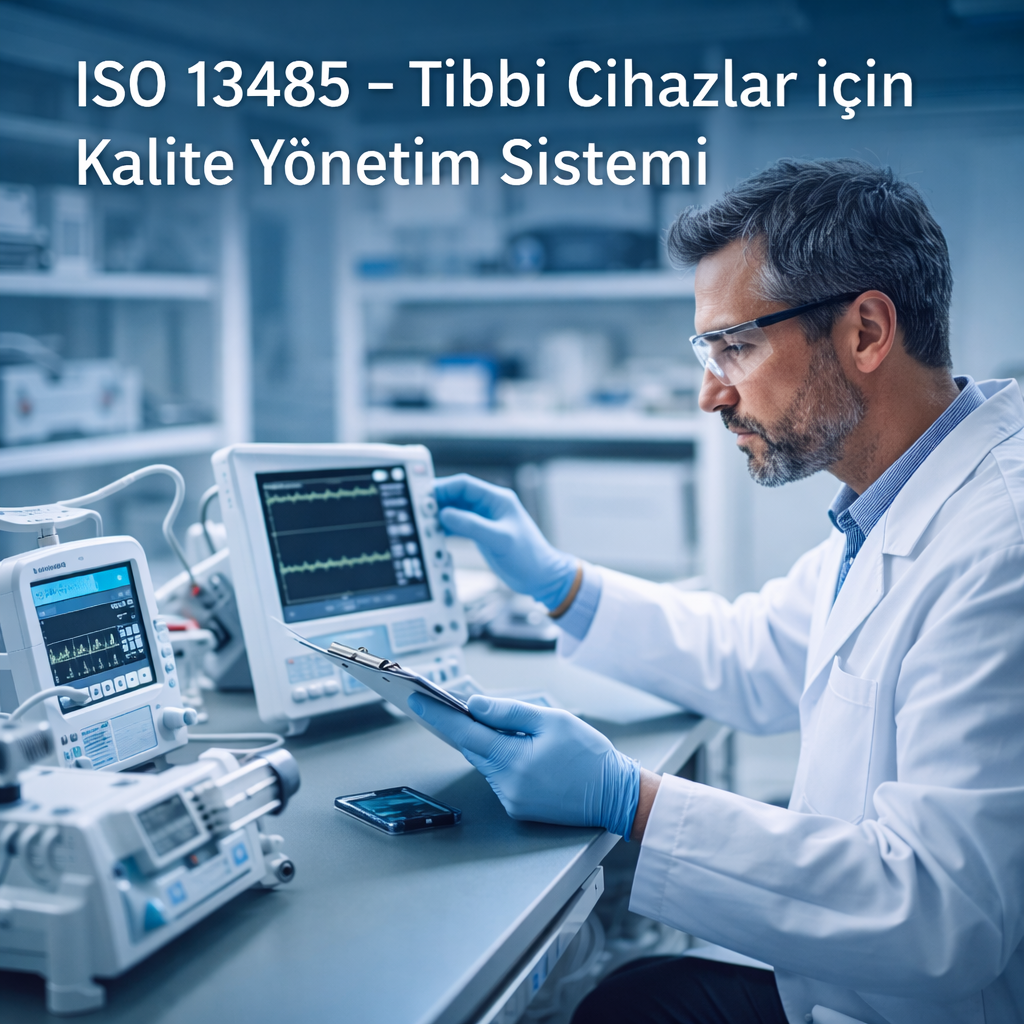
ISO 13485 is an internationally recognized Quality Management System (QMS) standard specifically designed for organizations operating in the medical device sector. ISO 13485:2016 focuses on ensuring that medical devices consistently meet customer expectations and applicable regulatory requirements.
The standard plays a critical role in product safety, regulatory compliance, and the protection of patient health.
The standard applies to all stages of a medical device’s lifecycle, including design and development, production, installation, servicing, and post-market activities. It promotes a process-based QMS approach that ensures consistency and sustainability.
Organizations must establish and maintain a documented QMS including policies, procedures, and quality objectives to ensure product safety and regulatory compliance. A quality manual and controlled documentation are essential components.
ISO 13485 integrates risk management principles throughout the product lifecycle, requiring organizations to identify, evaluate, and mitigate risks associated with medical devices.
The standard supports compliance with regulatory requirements in various international markets, including the European Union, facilitating market access.
Organizations must monitor and measure processes and product performance to ensure compliance with defined requirements. This includes post-market surveillance and analysis of customer feedback to drive continual improvement.
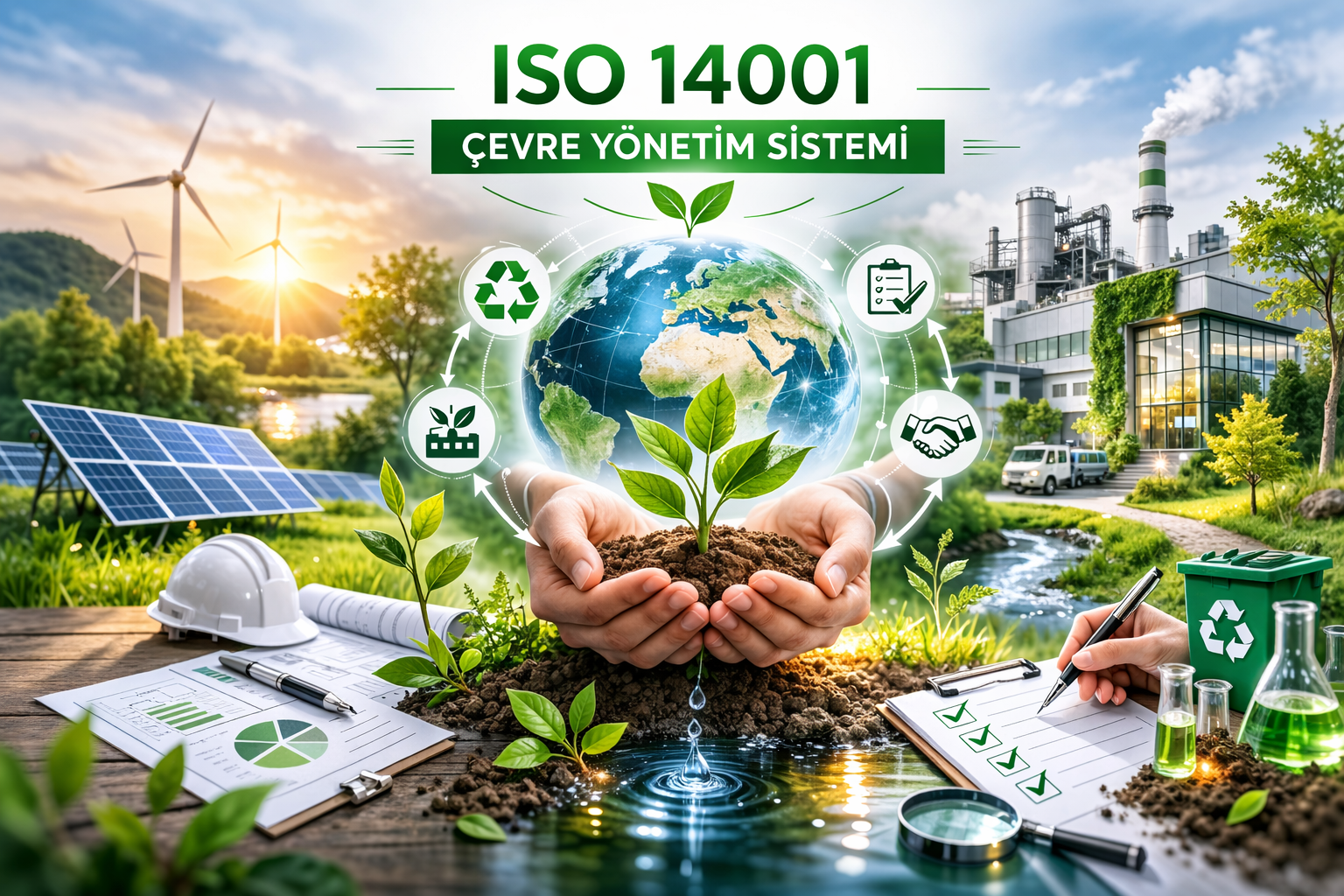
ISO 14001 is an internationally recognized Environmental Management System (EMS) standard designed to help organizations improve their environmental performance and effectively manage environmental responsibilities. First introduced in 1996, the standard provides a structured framework for controlling environmental impacts and driving continual improvement.
ISO 14001 supports organizations in reducing environmental risks, ensuring regulatory compliance, and embedding sustainability into their corporate strategy.
The primary objective of ISO 14001 is to establish requirements for an Environmental Management System that enables organizations to systematically monitor, manage, and reduce their environmental footprint.
Environmental Policy: Commitment to environmental protection and compliance.
Planning: Identification of environmental aspects, risk assessment, and setting objectives.
Implementation and Operation: Defining processes, responsibilities, and resources.
Monitoring and Corrective Action: Measuring performance and addressing non-conformities.
Management Review: Periodic evaluation of the EMS by top management.
ISO 14001 is applicable to organizations of all sizes and sectors, from small enterprises to multinational corporations, and can be adapted to specific operational needs.
The latest version, ISO 14001:2015, introduced significant enhancements including:
Greater emphasis on leadership involvement and accountability
Focus on risk-based thinking and environmental risk management
Improved integration with other management system standards
ISO 14001 serves as a strategic tool for organizations committed to sustainability and effective environmental management practices.
ISO 22000 is an internationally recognized Food Safety Management System (FSMS) standard that defines requirements for ensuring food safety throughout the entire food supply chain, from production to final consumption. First published in 2005, the latest version is ISO 22000:2018.
The standard enables organizations to systematically manage food safety risks, protect consumer health, and ensure compliance with regulatory requirements.
ISO 22000 applies to all organizations involved in the food chain, including primary producers, manufacturers, transporters, retailers, and catering services. It is designed to be flexible and applicable regardless of size or complexity.
The standard integrates Hazard Analysis and Critical Control Points (HACCP) principles with elements of ISO 9001 quality management systems. This integration allows organizations to systematically control food safety hazards while maintaining structured management practices.
ISO 22000 emphasizes risk-based thinking, requiring organizations to identify, evaluate, and manage potential hazards that could compromise food safety.
Effective communication is a critical component of ISO 22000. The standard highlights interactive communication throughout the food supply chain to ensure all parties understand their responsibilities in maintaining food safety.
ISO 22000 follows the High-Level Structure (HLS) common to other ISO management system standards. It includes clauses covering:
Leadership commitment
Planning
Support
Operation
Performance evaluation
Continual improvement
This structure facilitates integration with other management systems.

ISO 27001 is an internationally recognized standard that defines the requirements for establishing, implementing, maintaining, and continually improving an Information Security Management System (ISMS). It helps organizations protect information assets by ensuring confidentiality, integrity, and availability, managing security risks systematically, and strengthening resilience against cyber threats.
Scope & Applicability: Applicable to organizations of all sizes and sectors—private, public, and non-profit. It provides a framework for managing sensitive information such as financial data, personal data, intellectual property, and confidential business information.
Risk-Based Approach: Requires organizations to identify threats and vulnerabilities, assess risks, and implement appropriate controls to reduce risks to acceptable levels.
Controls & Safeguards (Annex A): Offers a comprehensive set of security controls covering access control, information classification, physical security, incident management, supplier security, and more—selected based on organizational needs.
Continual Improvement: Emphasizes regular review, updating, and ongoing improvement of the ISMS to adapt to evolving threats and maintain compliance.
Stronger information security: Reduces the likelihood and impact of data breaches.
Regulatory support: Enhances compliance with data protection laws (e.g., GDPR).
Increased customer trust: Demonstrates commitment to information security and builds credibility.
Operational efficiency: Improves processes and reduces the costs associated with security incidents.
Competitive advantage (especially for SMEs): Meets supplier security requirements of larger clients and opens new market opportunities.
ISO 31000 is an international standard that provides guidelines for effective risk management in organizations of all sizes and sectors. It was first published in 2009 and updated in 2018. The standard aims to help organizations integrate risk management into their overall governance, strategy, and decision-making processes.
The standard outlines several fundamental principles that organizations should follow. These include ensuring that risk management is an integral part of all organizational processes, that it is systematic and structured, based on the best available information, and includes stakeholder participation.
ISO 31000 emphasizes the importance of a strong framework that supports the integration of risk management into the organization’s governance and culture. This framework includes leadership commitment, integration into existing processes, and mechanisms for continuous improvement.
The standard describes a systematic process for managing risks, including:
Risk Identification
Recognizing potential risks that may affect the organization’s objectives.
Risk Analysis
Understanding the nature and characteristics of identified risks.
Risk Evaluation
Comparing risks against defined criteria to determine their significance.
Risk Treatment
Developing strategies to mitigate risks or take advantage of opportunities.
Monitoring and Review
Continuously assessing the effectiveness of risk management activities.
By integrating risk management into decision-making processes, organizations can make informed choices that consider potential uncertainties.
A structured approach to managing risks helps organizations anticipate challenges and respond effectively, strengthening their resilience.
Demonstrating commitment to effective risk management can build trust and confidence among stakeholders, including customers, investors, and regulators.
Compliance with ISO 31000 can help organizations meet legal and regulatory requirements related to risk management.
ISO 31000 defines risk as the effect of uncertainty on objectives. It emphasizes that risk can have both positive and negative impacts on an organization’s ability to achieve its objectives. The standard encourages organizations to address risks holistically and integrate risk management into overall governance and decision-making processes.
The concept of risk appetite, defined by ISO 31000 and the accompanying ISO Guide 73 document, refers to the amount and type of risk that an organization is willing to pursue, retain, or accept. This concept reflects the organization’s willingness to accept certain risks in order to achieve its objectives, balancing potential rewards with associated uncertainties.
Risk appetite is unique to each organization and may vary between different departments or projects. It is influenced by various internal and external factors such as financial capacity, market conditions, and organizational culture.
In summary, ISO 31000 provides a framework for understanding risk and risk appetite, emphasizing that organizations should establish clear definitions and guidelines to manage risks effectively in alignment with their strategic objectives.
ISO 13485:2016 Medical Devices Quality Management System Internal Auditor Training
The purpose of this training is to inform participants about internal auditing techniques according to the ISO 13485:2016 Medical Devices Quality Management System Standard, and to train internal auditors who understand audit requirements and can conduct effective audits within their organizations.
Employees of organizations that will start implementing or transitioning to the ISO 13485:2016 Medical Devices Quality Management System, as well as system managers, consultants, auditor candidates, and individuals who wish to pursue a career in this field.
There are no mandatory prerequisites for attending this training. However, it is recommended that participants have previously attended ISO 13485 Basic Training.
16 hours (2 days)
Medical device quality terminology
Medical device quality management system
Audit concept, types, and resource requirements
Auditor responsibilities and duties
Explanation of the auditor’s role in planning, conducting, reporting, and following up audits
Questioning techniques, interviews, audit findings, and reporting
Audit psychology and managing difficulties
Identification of nonconformities
Follow-up activities
Examination
To be eligible for a certificate, participants must attend at least 80% of the training.
To receive a certificate of achievement, participants must obtain a passing grade (70 out of 100) in the written exam conducted at the end of the training.
Participants who do not pass the exam will be granted a second exam opportunity free of charge.
Participants who do not meet the success criteria will be issued a certificate of participation.
ISO 37001 is an internationally recognized standard that provides requirements for establishing, implementing, maintaining, and continually improving an Anti-Bribery Management System (ABMS). Published in 2016, it is designed to help organizations of all sizes and sectors prevent, detect, and address bribery risks effectively.
The standard supports ethical business conduct, legal compliance, transparency, and the protection of organizational reputation.
ISO 37001 is applicable to organizations in both the public and private sectors, regardless of size or industry. It focuses specifically on bribery prevention and may be implemented independently or integrated with other management systems.
The standard requires organizations to:
Establish and implement an anti-bribery policy
Conduct bribery risk assessments
Apply due diligence procedures for third parties
Provide training and awareness programs for employees
Establish reporting, investigation, and disciplinary mechanisms for suspected bribery incidents
Organizations are encouraged to assess their specific bribery risks and tailor their anti-bribery controls accordingly. This ensures effective allocation of resources and proportional implementation of preventive measures.
ISO 45001 is an international standard that specifies requirements for an Occupational Health and Safety Management System (OH&S MS). Published in March 2018, it provides a structured framework to manage workplace hazards, reduce risks, and improve safety performance—aiming to prevent work-related injuries and occupational illnesses.
Scope & Applicability: Applicable to organizations of all sizes and sectors, and easily integrated with other management systems.
Risk-Based Approach: Requires identification of hazards, assessment of risks, and implementation of effective controls to mitigate them.
Leadership & Worker Participation: Emphasizes top management commitment and active worker involvement to build a strong safety culture.
Continual Improvement (PDCA): Follows the Plan–Do–Check–Act cycle to continuously monitor and improve OH&S performance.

ISO 50001 is an international standard that provides a framework for establishing, implementing, maintaining, and continually improving an Energy Management System (EnMS). First published in 2011 and revised in 2018, the standard aims to improve energy performance, reduce energy costs, and minimize greenhouse gas emissions.
ISO 50001 enables organizations to systematically manage energy use and supports long-term sustainability objectives.
The standard requires organizations to establish an energy policy, define measurable energy performance indicators, set improvement objectives, and develop action plans to achieve those objectives.
ISO 50001 follows the PDCA methodology to ensure continual improvement. This includes:
Planning energy performance improvements
Implementing energy efficiency initiatives
Monitoring and measuring results
Taking corrective actions when necessary
Organizations are encouraged to identify significant energy uses and evaluate risks and opportunities to improve energy efficiency according to their operational context.
ISO 50001 is aligned with other management system standards such as ISO 9001 (Quality Management) and ISO 14001 (Environmental Management), facilitating seamless integration into existing systems.